マイクが動作しない?数分で解決
通話中に相手に声が届かない場合、またはマイクアプリがまったく入力を示さない場合、ほとんどの場合、誤った入力デバイスが選択されている、権限がブロックされている、またはどこかで音量がミュートされているのが原因です。その原因を突き止める方法は次のとおりです。
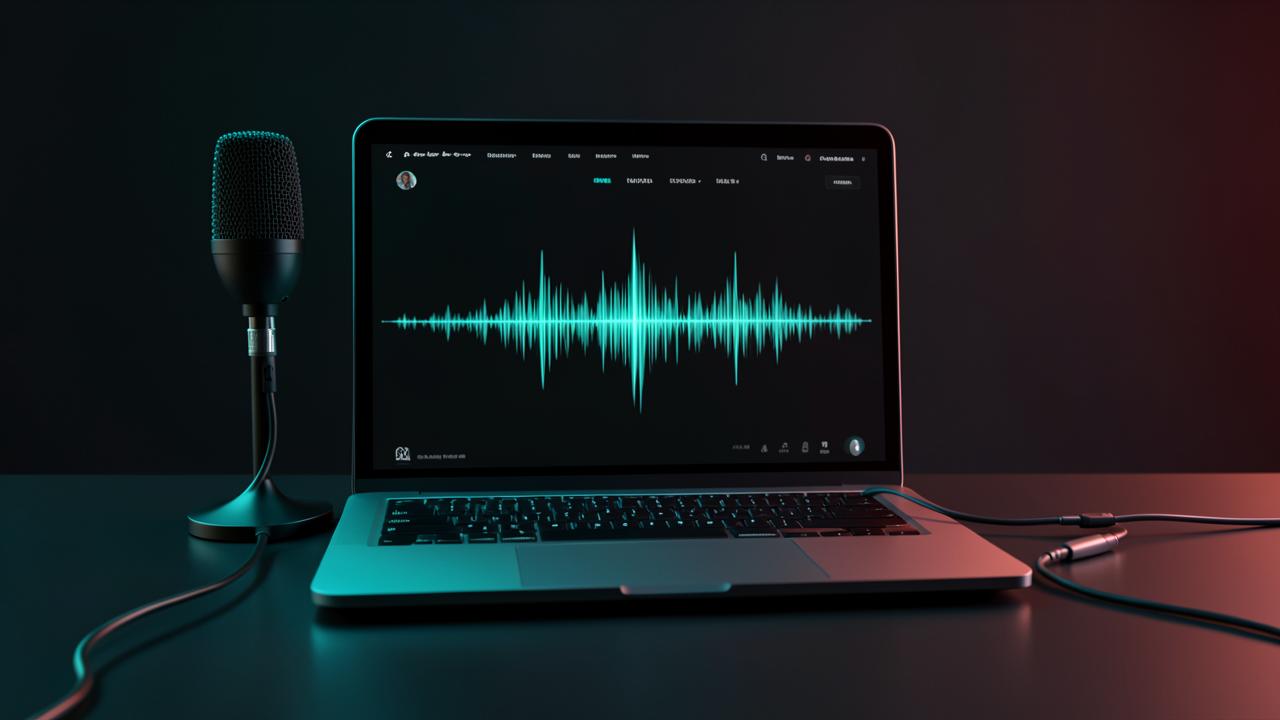
Before you start troubleshooting, run the actual test so you know what's broken.
Run the マイクテストまずクイックチェック
- ヘッドセットまたはWebカメラに物理的なミュートボタンまたはスイッチがないか確認してください。
- 通話アプリで正しいマイクが選択されていることを確認してください。ヘッドセットマイクを使用するつもりなのに、Webカメラのマイクが選択されていないか確認してください。
- 弊社の マイクテスト ライブ入力メーターを確認すると、マイクがまったく拾われているかどうかがすぐにわかります。
- USBまたは3.5mmマイクを抜き差しし、それが再び既定のデバイスとして選択されていることを確認してください。
- 使用しているアプリを再起動してください。多くの会議アプリは起動時に間違ったデバイスをキャッシュすることがあります。
ブラウザとアプリのアクセス許可を確認する
カメラと同様に、ほとんどのブラウザとオペレーティングシステムは、アプリ自体とは別にマイクへのアクセスをゲートします。許可がブロックされている場合、アプリは他の説明なしに「no audio input detected (オーディオ入力が検出されません)」と表示することがよくあります。
お使いのブラウザで
- アドレスバーの南京錠アイコンをクリックしてください。
- このサイトのマイクが「許可」に設定されていることを確認してください。
- 次の項目を確認してください 権限テスト 現在付与されているものの完全な読み取りのために。
Windows 11
- Open Settings > Privacy & security > Microphone.
- 「マイクへのアクセス」と「アプリがマイクにアクセスできるようにする」をオンにしてください。
- 下にスクロールして、ブラウザとデスクトップアプリ(Zoom、Teams、Discord)の両方が許可されていることを確認してください。
macOS
- Open System Settings > Privacy & Security > Microphone.
- ブラウザまたはアプリのトグルを有効にしてください。
- これを変更した後、アプリを終了して再度開いてください。macOSではリアルタイムで適用されません。
Chromebook
- Open Settings > Privacy and security > Site settings > Microphone.
- サイトを「許可しない」リストから削除します。
iPhone
- 「設定」を開き、アプリを見つけて、マイクアクセスがオンになっていることを確認します。
- For Safari, go to Settings > Safari > Microphone and set to Ask or Allow.
Android
- Open Settings > Apps > [app name] > Permissions > Microphone, set to Allow.
- In Chrome, check Settings > Site settings > Microphone for a block entry on the site.
正しいデバイスが選択され、ミュートが解除されていることを確認してください
Windows
- タスクバーのスピーカーアイコンを右クリックし、「サウンド設定」を選択します。
- 「入力」の下で、正しいマイクがデフォルトデバイスとして選択されていることを確認します。
- 入力音量スライダーがゼロではなく、「ミュート」がチェックされていないことを確認します。
- 「マイクをテスト」をクリックして、話すときにライブレベルバーが動くことを確認します。
macOS
- Open System Settings > Sound > Input.
- 正しいマイクを選択し、話すときに入力レベルバーを確認します。
- Bluetoothヘッドセットの場合、Bluetoothメニューで低品質の通話プロファイルに固定されていないか確認してください。
音量が小さい、歪む、またはロボットのような音を修正する
- マイクを近づけるか、アプリのオーディオ設定で入力ゲインを上げてください。
- 「ノイズ抑制」または「AIノイズキャンセリング」を一時的に無効にしてください。これらは過度に処理を行い、音声を損なうことがあります。
- オーディオがロボットのようになったり、途切れたりする場合は、CPUの負荷またはBluetooth接続不良が原因であることが多いため、有線接続を試して比較してください。
- Turn off any extra "enhancements" in Windows Sound settings under the microphone's Properties > Advanced tab.
ハードウェアの故障の場合
システムサウンド設定にマイクがまったく表示されない場合、または同じポート上の別のデバイスも認識されない場合は、ハードウェアの故障を疑ってください。
- 別のコンピューターでマイクをテストします。それでも認識されない場合、マイク自体が故障している可能性が高いです。
- ノートパソコンの内蔵マイクの場合、マイク穴のほこりやゴミが音をこもらせたり入力を妨げたりすることがあります。エアダスターが役立つかもしれません。
- ヘッドセットの場合、ジャック付近のケーブルにほつれがないか確認してください。これは断続的な音切れを引き起こす一般的な故障箇所です。
- 有線マイクが一方のポートでは機能するのに、もう一方では機能しない場合、マイクではなくポート自体に問題がある可能性があります。
Why microphone problems are so hard to spot
Audio input passes through more stages than most people realise. Sound reaches the capsule, an analogue preamp boosts it, a converter turns it into data, the operating system applies a gain level and possibly noise suppression, then the app applies its own processing and mute state before anyone hears you. A silent microphone can be caused by any one of those stages, and none of them announces itself.
The reason a live input meter matters so much is that it splits the chain in half instantly. If the meter moves when you speak, the microphone, driver and permission layer are all healthy and the problem is downstream in the app. If the meter never moves, everything downstream is irrelevant and you can focus on device selection, permissions and hardware. That one observation saves most of the time people spend on audio problems.
The double mute problem
Almost every serious call has one participant talking to a muted microphone, and the reason is that mute exists in at least four independent places. There is a hardware switch on many headsets, an inline remote on the cable, an operating system mute, and an in-app mute. Muting in one place does not update the others, so unmuting in the app while the headset switch is still down produces exactly the silence you were trying to fix.
- Check the physical switch or button first, and look for an LED that changes colour when muted.
- Check the inline remote on the cable, these are easy to knock against clothing without noticing.
- Check the operating system input level is above zero and the mute checkbox is clear.
- Check the in-app mute, and be aware some meeting platforms let a host mute you remotely.
- Check for a push-to-talk setting that you may have enabled and forgotten in Discord or a game.
Getting the sound quality right, not just working
A microphone that technically works can still sound thin, distant or harsh. Once input is confirmed, spend five minutes on quality, it makes a bigger difference to how people perceive you on calls than any camera upgrade.
- Distance matters more than price. A cheap microphone fifteen centimetres away usually beats an expensive one at arm's length.
- Speak across the microphone rather than directly into it to reduce plosive pops on hard consonants.
- Set input gain so normal speech peaks around two thirds of the meter, leaving headroom for laughter and emphasis.
- Soft furnishings kill reflections. A rug, curtains or even a bookshelf behind you reduces the hollow room sound noticeably.
- Prefer a wired connection for anything important. Bluetooth microphones drop to a low bandwidth call profile that sounds compressed and dull.
If your voice sounds like it is underwater or robotic, suspect processing rather than hardware. Aggressive noise suppression, whether from the operating system, the driver utility or the meeting app, can strip the natural texture out of speech. Turn all of it off, listen to a recording, then re-enable one layer at a time until you find the culprit.
Testing yourself before an important call
Never rely on someone else to tell you your audio is broken. Record thirty seconds of yourself speaking normally, play it back through headphones and listen critically for background hum, keyboard noise, echo and level. Most meeting platforms include a built-in test call, and our browser microphone test gives you a live meter without installing anything.
- Listen for a constant hum, which usually means electrical interference from a power supply or USB port, try a different port.
- Listen for echo, which means your speakers are feeding back into the microphone, headphones eliminate it entirely.
- Listen for clipping, a harsh crunch on louder words, which means gain is set too high.
- Listen for dropouts, which on wireless devices usually mean interference or a low battery.
Build the habit of a ten second check before every meeting. It costs almost nothing and removes the most common reason calls start five minutes late.
Common questions about microphone problems
Why can I hear myself echoing on calls?
Echo means audio from your speakers is being picked up by your microphone and sent back. Headphones eliminate it completely. If you must use speakers, lower the output volume, move the microphone away from them, and leave the meeting app's echo cancellation enabled rather than switching it off.
Why does my USB microphone keep disconnecting?
Usually power or the port. Unpowered hubs, front-panel ports and long extension cables all cause intermittent dropouts. Plug directly into a rear port on a desktop, or a different port on a laptop, and check any power saving setting that allows the system to suspend USB devices to save energy.
Is a headset microphone good enough?
For calls, yes, and consistent placement close to the mouth often makes a good headset outperform a better microphone sitting further away on a desk. Standalone microphones become worthwhile for recording, podcasting or streaming, where room sound and tonal character matter more than convenience.
Why does my microphone work in one app only?
Each application stores its own device selection and its own permission grant. Working in one app and failing in another proves the hardware and driver are fine, so check the failing app's audio settings, its permission entry in the operating system privacy settings, and whether another program is holding exclusive access to the device.
A pre-call checklist you can run in a minute
Most audio disasters are preventable with a short routine performed before the meeting starts rather than during it. Run through this once and you will catch nearly every common failure while there is still time to fix it.
- Connect the headset or microphone before opening the meeting app, so the app sees it at launch.
- Confirm the correct input device is selected in both the operating system and the app.
- Speak and watch a live level meter move, never assume from the device name alone.
- Check every mute point, the hardware switch, the inline remote, the system mute and the app mute.
- Wear headphones so nothing feeds back into the microphone and creates echo for everyone else.
- Silence notifications, they are captured by the microphone as sharply as your voice.
If something is wrong, having a wired backup within reach turns a lost meeting into a ten second swap. Keeping one spare set of wired earphones in the desk drawer is the cheapest insurance in remote work.