Bluetooth 페어링 문제, 해결 완료
장치가 나타나지 않거나, 페어링되지 않거나, 계속 연결이 끊어지는 경우에도 대부분의 Bluetooth 문제는 몇 가지 예측 가능한 원인으로 분류됩니다.
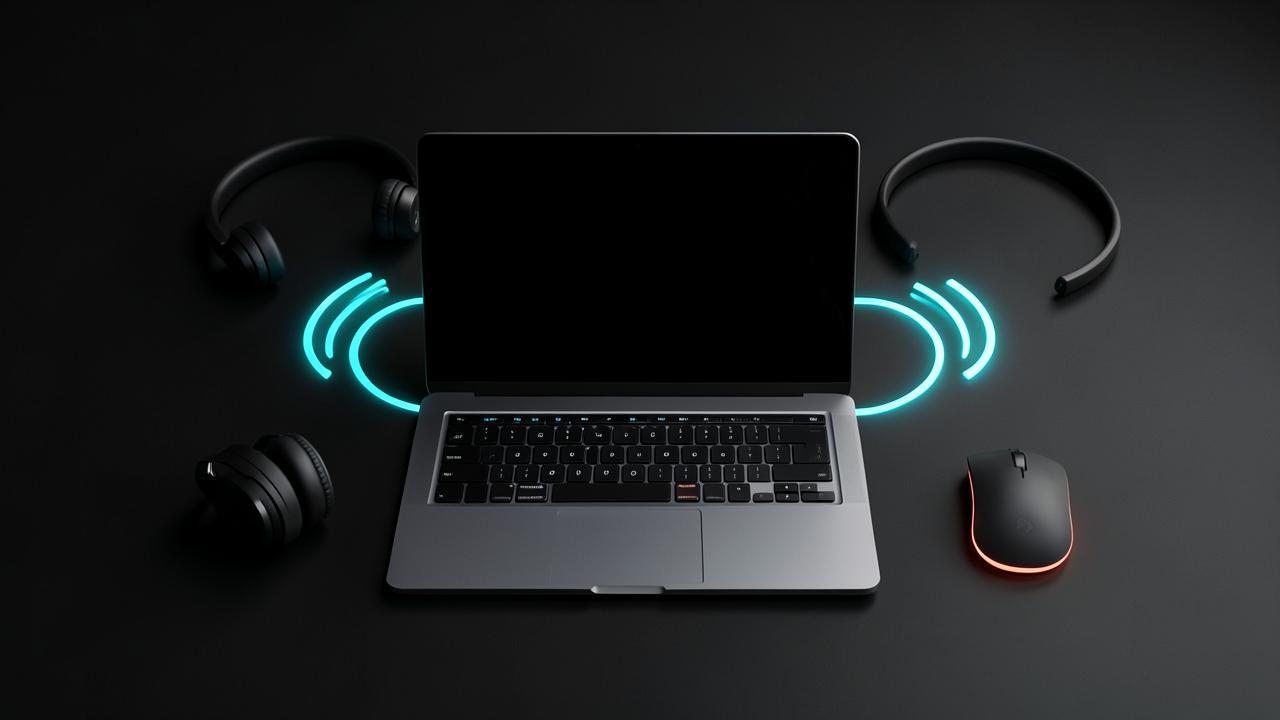
Before you start troubleshooting, run the actual test so you know what's broken.
Run the 연결된 기기빠른 확인 먼저
- 장치가 실제로 페어링 모드에 있는지 확인하세요. 대부분의 헤드폰과 스피커는 전원 버튼을 길게 눌러야 하며, 페어링 준비가 되면 특정 색상으로 깜박이는 LED가 있는 경우가 많습니다.
- 장치가 충전되었는지 확인하세요. 배터리 부족은 페어링 실패 및 무작위 연결 해제의 가장 흔한 원인 중 하나입니다.
- 컴퓨터나 휴대폰에서 Bluetooth를 껐다가 다시 켜세요. 이렇게 하면 무선이 재설정되고 놀랍도록 많은 일회성 오류가 해결됩니다.
- 초기 페어링을 위해 장치를 컴퓨터에서 1~2미터 이내로 옮긴 다음, 벽, 다른 전자 기기 심지어 전자레인지도 일단 연결되면 신호를 약화시킬 수 있습니다.
- 사용하지 않는 주변의 다른 Bluetooth 장치를 끄십시오. 일부 저렴한 액세서리는 여러 장치가 동시에 페어링을 시도할 때 혼란스러워할 수 있습니다.
장치를 잊어버리고 다시 페어링하기
장치가 연결되었지만 즉시 연결이 끊기거나, 페어링되었지만 제대로 작동하지 않는 경우(오디오 끊김, 한쪽 이어버드만 작동, 키보드 오타), 저장된 페어링 프로필이 손상된 경우가 많습니다. 이를 제거하고 새로 시작하는 것이 다른 어떤 단일 단계보다 이 문제를 더 자주 해결합니다.
Windows 11
- Go to Settings > Bluetooth & devices.
- 장치를 클릭한 다음, 장치 제거를 클릭하고 확인합니다.
- Put the accessory back into pairing mode, then click Add device > Bluetooth and select it from the list.
macOS
- Open System Settings > Bluetooth.
- 장치 위에 마우스를 올리고 정보(i) 아이콘을 클릭한 다음 이 장치 지우기를 클릭합니다.
- 액세서리를 페어링 모드로 전환하고 Bluetooth 목록에서 다시 선택합니다.
Chromebook
- Open Settings > Bluetooth, click the device, then Forget.
- Re-pair from Settings > Bluetooth > Pair new device once it's in pairing mode.
Android
- Go to Settings > Connected devices, tap the gear icon next to the device, then Forget.
- 액세서리를 페어링 모드로 전환하고 새 장치 페어링을 탭합니다.
iPhone
- Go to Settings > Bluetooth, tap the (i) next to the device, then Forget This Device.
- 액세서리를 페어링 모드로 전환합니다. 그러면 기타 장치 아래에 나타납니다. 연결하려면 탭하세요.
장치가 전혀 감지되지 않음
- 일부 액세서리는 한 번에 하나의 장치에만 페어링할 수 있으며, 마지막으로 다른 곳에 연결되어 있었다면 수동으로 다시 페어링 모드로 전환해야 합니다. 정확한 버튼 조합은 설명서를 확인하세요.
- 장치에 앱이 있다면(많은 헤드폰, 스피커, 트래커에 해당) 설치하세요. 일부 액세서리는 물리적인 버튼이 아닌 앱을 통해서만 검색 모드로 진입합니다.
- 내장 Bluetooth가 없는 데스크탑 PC에서는 USB Bluetooth 어댑터가 실제로 연결되어 인식되는지 확인하십시오. Windows 장치 관리자의 Bluetooth 아래에 표시됩니다.
- 다음 항목을 실행하세요: 연결된 장치 브라우저와 시스템에서 현재 연결되거나 페어링된 장치를 확인할 수 있는지 확인하세요.
장치는 페어링되지만 오디오 또는 입력이 불안정함
기본 페어링이 작동되면, 지속적인 끊김 현상이나 버벅거림은 보통 액세서리 자체보다는 간섭이나 드라이버 문제로 인해 발생합니다.
- Wi-Fi 라우터와 Bluetooth는 모두 2.4GHz 대역을 사용합니다. 라우터가 2.4GHz 대역에 있고 컴퓨터 가까이에 있다면, 라우터를 5GHz로 전환하면(지원되는 경우) 간섭을 줄일 수 있습니다.
- Update Bluetooth drivers on Windows: Device Manager > Bluetooth > right-click the adapter > Update driver.
- Disable battery-saving features that throttle background Bluetooth activity, this is common on Android under Settings > Battery > Battery optimization.
- 오디오의 경우 특히 다음을 실행하세요: 스피커 테스트 및 마이크 테스트 문제가 오디오 장치 자체가 아니라 Bluetooth 연결인지 확인합니다.
여러 장치가 동시에 연결됨
대부분의 노트북과 휴대폰은 여러 Bluetooth 연결을 동시에 유지할 수 있지만, 두세 개 이상의 활성 장치가 라디오를 공유할 때 음질이 저하되는 경우가 많습니다. 마우스나 키보드가 연결될 때만 헤드폰이 끊긴다면, 동일한 기기 내 장치 간 간섭을 확인하기 위해 하나를 연결 해제해 보세요.
하드웨어 결함인 경우
- 액세서리가 다른 휴대폰이나 컴퓨터와는 잘 페어링되지만 귀하의 기기와는 페어링되지 않는다면, 문제는 액세서리가 아니라 컴퓨터의 Bluetooth 라디오 또는 안테나에 있을 가능성이 높습니다.
- 다른 곳에서는 잘 작동하는 장치를 포함하여 컴퓨터와 아무것도 페어링되지 않는다면, 물리적인 Bluetooth 스위치나 비행기 모드 토글이 있는지 확인하고, 그 다음 액체 손상이나 낙하 후에 흔히 발생하는 내부 Bluetooth 모듈의 고장을 고려해 보세요.
- 충전이 안 되거나, 사용 도중 전원이 꺼지거나, 배터리 표시기가 한 레벨에 고정되어 있는 액세서리는 일반적으로 페어링 문제보다는 배터리 고장 문제이며, 소프트웨어적인 해결책으로는 해결되지 않습니다.
- 다른 USB 포트에 연결해 본 후에도 USB Bluetooth 어댑터가 장치 관리자에서 전혀 인식되지 않는다면, 어댑터 자체에 문제가 있을 가능성이 높습니다.
What pairing actually does
Pairing and connecting are two different operations, and confusing them explains most of the frustration people feel with Bluetooth. Pairing exchanges keys once and stores a trusted relationship between two devices. Connecting uses that stored relationship to open an active link, and it happens every time the device comes into range. A device can be paired but not connected, which is why it appears in the list while producing no sound.
When something goes wrong, the stored pairing record is usually the corrupted part. That is why forgetting the device and pairing again fixes such a wide range of symptoms, from silence to stuttering to a device that connects and immediately disconnects. It is not a superstition, it genuinely rebuilds the record both sides rely on.
Why Bluetooth audio sometimes sounds terrible
Bluetooth headsets support several profiles, and the two that matter are a high quality one-way music profile and a low quality two-way call profile. The moment an application requests microphone input, the headset switches to the call profile and audio quality collapses to something resembling a telephone. This is a protocol limitation, not a fault with your headset.
- If music suddenly sounds muffled, check whether an app has opened the microphone, including a browser tab in the background.
- For recording or streaming, use a wired microphone and keep the Bluetooth headset for output only, this keeps the high quality profile active.
- In sound settings you may see the same headset listed twice, one entry for each profile, choose deliberately.
- Codec support differs by device, and the connection always falls back to whatever both ends support.
Interference, range and battery
Bluetooth shares the crowded 2.4GHz band with Wi-Fi, microwaves, wireless keyboards and countless other devices. Its low power makes it particularly vulnerable, and the human body is an effective radio blocker, which is why a phone in a back pocket often stutters while the same phone on a desk does not.
- Keep the source device within a few metres and in line of sight when troubleshooting.
- Move away from the router and any USB 3 hub, which is a surprisingly strong source of 2.4GHz noise.
- Charge the accessory fully, low battery causes disconnections and quality drops before any warning appears.
- Disconnect other paired devices, most accessories handle only one active link well even when they support multipoint.
- Test in a different room to see whether the problem follows the device or stays with the location.
Building a pairing routine that just works
Reliable Bluetooth comes down to keeping the number of stored pairings small and the devices charged. Most accessories store a limited number of pairings and quietly overwrite the oldest, which is why a headset shared between a work laptop, a personal laptop and a phone becomes unpredictable.
- Remove pairings for devices you no longer use, on both the accessory and the computer.
- Learn the pairing mode gesture for your accessory, it is usually holding the power button until the light flashes in a distinct pattern.
- Update firmware through the manufacturer app if one exists, headphone firmware fixes real connection bugs.
- Keep drivers current on Windows, where the Bluetooth stack depends heavily on the wireless card driver.
- For anything critical, such as a presentation or an interview, use a wired connection and keep wireless as the backup.
Common questions about Bluetooth pairing
Why does my device connect but produce no sound?
Connection and audio routing are separate. The link can be active while the operating system still sends sound to the internal speakers, which happens frequently after a restart. Open the sound output list and select the headset explicitly, then check the per-application volume, since a single muted app will stay silent while everything else plays through the same headset perfectly.
Why does pairing fail only on one computer?
Most often the accessory has already stored the maximum number of pairings and quietly dropped the one for that machine, or the machine still holds a stale record. Remove the device on the computer, clear it on the accessory if the manufacturer app allows it, then pair fresh with every other paired device powered off so nothing else claims the connection first.
Should I use a Bluetooth adapter or built-in?
Built-in radios are fine for headphones, keyboards and mice. A small external adapter is worth considering on older desktops where the built-in radio predates Bluetooth 5, because range, stability and support for modern accessories improved substantially in that generation. Disable the built-in radio first, running two adapters at once causes conflicts that look like random disconnections.
How do I stop the same problem returning?
Keep firmware updated through the manufacturer app, charge accessories before they fall below a fifth of capacity, and remove pairings you no longer use. If a device is essential for work, keep a wired equivalent in the drawer, since almost every Bluetooth fault has a five second workaround if you own a cable.