Come trovare la password del tuo Wi-Fi
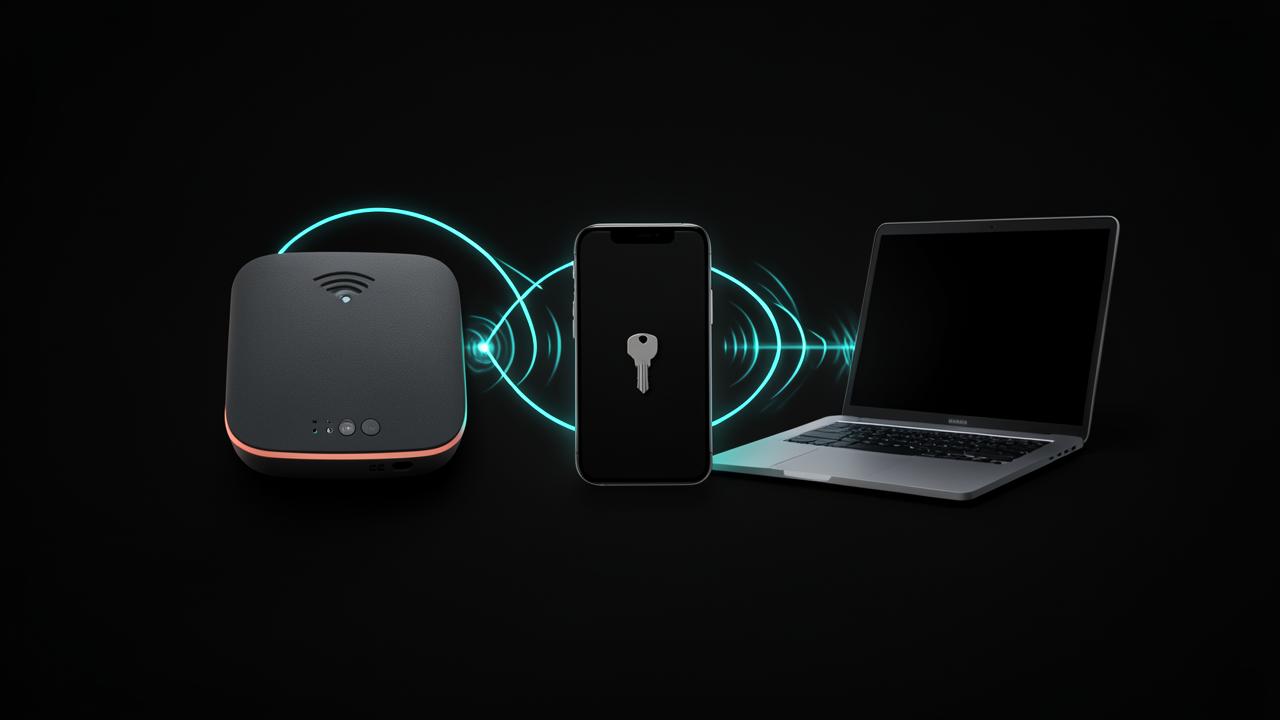
Se un dispositivo è già connesso al tuo Wi-Fi, ha la password salvata da qualche parte, non è necessario reimpostare nulla. Ecco dove cercare su ogni piattaforma, più come ottenerla direttamente dal router se nulla è ancora connesso.
Before you start troubleshooting, run the actual test so you know what's broken.
Run the Test di retePrima di iniziare
- È necessario che almeno un dispositivo sia già connesso alla rete o avere accesso fisico al router.
- Sulla maggior parte delle piattaforme sarà necessaria una password di amministratore o un PIN del dispositivo per rivelare una password Wi-Fi salvata; questa è una misura di sicurezza, non un bug.
- Una volta riconnesso, esegui il nostro Test rete per confermare che la connessione stia effettivamente funzionando correttamente, non solo che sia connessa.
Trovalo su Windows 11
- Right-click the Wi-Fi icon in the taskbar and choose "Network & internet settings".
- Click "Advanced network settings" > "More network adapter options", or go to Settings > Network & internet > Advanced network settings.
- Alternatively, open Control Panel > Network and Sharing Center > click your Wi-Fi network name > Wireless Properties > Security tab.
- Spunta la casella "Mostra caratteri" per rivelare la password in chiaro.
If Control Panel feels dated, you can also open Command Prompt as administrator and run netsh wlan show profile "NOME-RETE" key=clear, quindi cerca "Contenuto chiave" nell'output.
Trovalo su macOS
- Apri Spotlight (Cmd+Spazio) e cerca "Accesso Portachiavi".
- Nella barra di ricerca di Accesso Portachiavi, digita il nome della tua rete Wi-Fi.
- Fai doppio clic sulla voce corrispondente, quindi seleziona "Mostra password".
- Inserisci la password di login del tuo Mac quando richiesto, questo conferma che sei davvero tu.
Trovalo su Android
- Open Settings > Network & internet > Internet (or Wi-Fi).
- Tocca l'icona dell'ingranaggio accanto alla rete a cui sei connesso.
- Tocca "Condividi", che genera un codice QR e, su molte versioni Android, mostra la password come testo sotto di esso.
- Alcuni produttori nascondono prima la password in chiaro dietro un'impronta digitale o una richiesta PIN, questo è normale.
Trovalo su iPhone
iPhone non mostra le password Wi-Fi salvate direttamente in Impostazioni, ma ci sono due modi affidabili per ottenerle:
Condividi da un iPhone o Mac nelle vicinanze già connesso
- Sul dispositivo connesso, assicurati che Wi-Fi e Bluetooth siano entrambi attivi e che tu abbia effettuato l'accesso a iCloud.
- On the new device, go to Settings > Wi-Fi and tap the network name to attempt to join.
- Dovrebbe apparire una richiesta di condivisione password sul dispositivo già connesso, tocca "Condividi password".
Tramite Portachiavi se hai un Mac
Se il tuo iPhone e Mac condividono un Portachiavi iCloud, la password Wi-Fi salvata sull'iPhone è spesso visualizzabile tramite l'app Accesso Portachiavi del Mac utilizzando gli stessi passaggi della sezione macOS qui sopra.
Ottienilo direttamente dal router
Se nessun dispositivo è connesso, vai alla fonte.
- Controlla l'etichetta sul router stesso; la maggior parte ha un nome di rete predefinito e una password stampati sul fondo o sul retro.
- Se è stato modificato rispetto all'impostazione predefinita, collega un computer al router con un cavo Ethernet e apri la sua pagina di amministrazione, di solito a 192.168.0.1 o 192.168.1.1 in un browser.
- Accedi con le credenziali di amministratore del router (spesso riportate sull'adesivo, separate dalla password Wi-Fi) e cerca sotto le impostazioni Wireless o Wi-Fi.
- Usa il nostro Public IP & Location strumento se non sei sicuro a quale rete sei connesso prima di approfondire le impostazioni del router.
Se non riesci ancora a recuperarla
- Come ultima risorsa, puoi ripristinare le impostazioni di fabbrica del router utilizzando il piccolo pulsante di ripristino, di solito tenuto premuto per 10 secondi. Questo ripristina la password predefinita stampata sull'adesivo, ma cancella anche tutte le impostazioni personalizzate.
- Dopo un ripristino di fabbrica, cambia la password con una nuova e aggiornala su tutti i tuoi dispositivi contemporaneamente.
- Se il tuo ISP gestisce il router, la loro app o il portale dell'account spesso mostra le credenziali Wi-Fi attuali senza bisogno di accesso fisico.
Why the password is easier to recover than to reset
People often reach for the router reset button first, and it is almost always the worst option. A factory reset wipes the network name, the password, port forwarding rules, guest network settings, parental controls and any custom DNS configuration, then forces you to reconnect every device in the house. Since any device already connected is storing the password locally, recovery is nearly always possible without touching the router at all.
Operating systems protect stored passwords behind an administrator prompt rather than hiding them entirely, because the intention is to stop a passing stranger reading credentials off an unlocked screen, not to stop the owner. If you can authenticate as the machine's owner, you can see the password. That is the principle behind every method in this guide.
Choosing the right method for your situation
Pick the approach that matches what you have access to, rather than working through every option.
- A connected Windows PC and administrator rights: use the network properties dialog or the command line, this is the fastest route and shows plain text immediately.
- A connected Mac: Keychain Access, which also covers passwords synced from an iPhone through iCloud Keychain.
- A connected Android phone: the share option, which produces a QR code and often the password beneath it.
- Only an iPhone connected: use the password sharing prompt to bring a new device online, or read it through a Mac sharing the same iCloud Keychain.
- Nothing connected at all: the router sticker first, then the router admin page over an Ethernet cable.
If a QR code is all you can get, that is usually enough. Point the new device's camera at it and most modern phones will offer to join the network directly, no typing required.
Understanding what you find
Router admin pages present several credentials that people routinely confuse. The Wi-Fi password, sometimes labelled the network key, pre-shared key or WPA key, is what devices use to join. The admin password protects the router settings page itself. On many routers both are printed on the sticker but they are different strings, and typing one where the other belongs produces a confusing failure.
- SSID is simply the network name you see in the list of available networks.
- WPA2 or WPA3 is the security standard, newer is better, and mixed mode keeps older devices working.
- Some routers run separate 2.4GHz and 5GHz networks with different names but usually the same password.
- A guest network has its own password entirely and often blocks access to printers and shared drives.
Setting a password worth keeping
If you do end up changing the password, choose something you will not have to recover again. Length beats complexity for Wi-Fi keys, since they are typed rarely and stored permanently. Three or four unrelated words joined together is both stronger and far easier to read aloud to a guest than a random string of symbols.
- Use at least sixteen characters, and avoid the street address or family names that a neighbour could guess.
- Store it in a password manager under the network name, so future recovery takes seconds.
- Write it on a card kept near the router for guests rather than sharing your main credentials verbally.
- Enable WPA3 if every device supports it, and keep WPA2 as a fallback if older equipment needs it.
- Change the router admin password too, the default is published online for every common model.
After changing anything, reconnect one device and confirm the connection genuinely works rather than just showing connected. A speed and latency check catches the case where the network joined successfully but the internet connection behind it is down for an unrelated reason.
Common questions about recovering a Wi-Fi password
Is it safe to view a saved Wi-Fi password?
Yes, on a device you own and control. The administrator prompt exists to prevent someone with brief physical access reading credentials off an unlocked machine, not to prevent the owner from managing their own network. Just avoid doing it on a shared or public computer, where the revealed password can remain visible on screen or in a command history.
Why does the password work on some devices but not others?
Older devices often support only the 2.4GHz band or older security standards. If your router runs WPA3 only, or a 5GHz network with a different name, an older printer or smart plug will fail with the correct password. Enabling mixed WPA2 and WPA3 mode, or a dedicated 2.4GHz network, usually resolves it.
Can I share Wi-Fi without revealing the password?
Yes. Android and iPhone both generate a QR code that joins the network without displaying the characters, and many routers offer a guest network with a separate password you can change freely without disrupting your own devices. For visitors, the guest network is the better answer every time.
What if the router sticker password no longer works?
Someone changed it, which is good practice. Log into the router admin page from a wired connection and read or reset the wireless key there. Only use the physical reset button as a genuine last resort, since it erases every custom setting alongside the password.
Keep a record so you never search again
The reason this problem repeats is that nobody writes the password down anywhere durable. Five minutes of record keeping now removes the whole task permanently, and it also makes the network easier to hand over if someone else ever needs to manage it.
- Store the network name, wireless key, router admin address and admin password together in a password manager entry.
- Photograph the router sticker and keep the image in the same entry, defaults are useful after any reset.
- Note the router model and firmware version, which speeds up any future support conversation considerably.
- Keep a printed card near the router with the guest network details only, so visitors never need your main key.
- Repeat the record after any password change, an out of date note is worse than none at all.
Once the record exists, verify it. Join a device that was not previously connected using only the written details, then confirm the connection genuinely reaches the internet rather than simply showing connected. A quick speed and latency check settles that in seconds and proves the note is accurate.