¿El micrófono no funciona? Arréglalo en minutos
Si la gente no puede oírte en una llamada, o tu aplicación de micrófono no muestra ninguna entrada, la falla casi siempre se debe a que se seleccionó el dispositivo de entrada incorrecto, un permiso bloqueado o el volumen silenciado en algún punto de la cadena. Aquí te mostramos cómo solucionarlo.
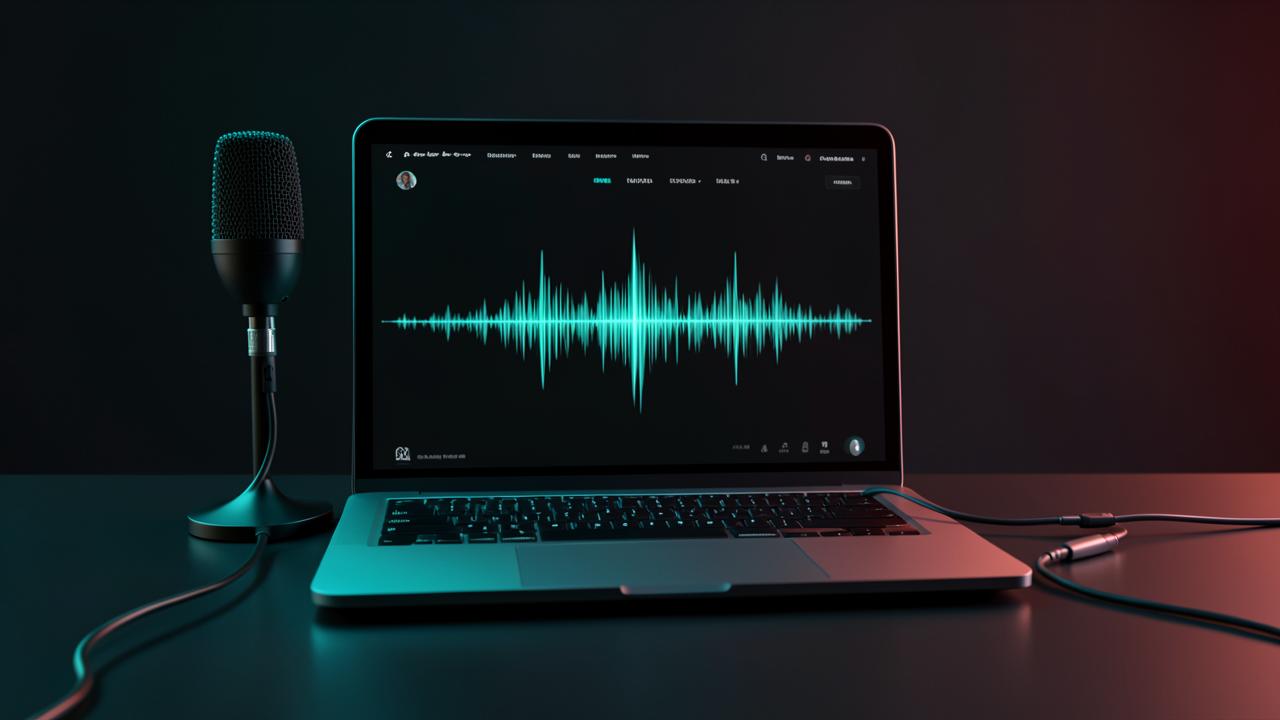
Before you start troubleshooting, run the actual test so you know what's broken.
Run the Prueba de micrófonoComprobaciones rápidas primero
- Busca un botón o interruptor físico de silencio en tus auriculares o webcam.
- Asegúrate de que el micrófono correcto esté seleccionado en tu aplicación de llamadas, no un micrófono de webcam cuando querías usar un micrófono de auriculares.
- Ejecuta nuestra Prueba de Micrófono para ver un medidor de entrada en vivo, esto te dirá inmediatamente si el micrófono está captando sonido en absoluto.
- Desconecta y vuelve a conectar un micrófono USB o de 3.5mm, luego verifica que esté seleccionado nuevamente como el dispositivo predeterminado.
- Reinicia la aplicación que estás usando. Muchas aplicaciones de conferencias almacenan en caché el dispositivo incorrecto al iniciar.
Verifica los permisos del navegador y de la aplicación
Al igual que la cámara, la mayoría de los navegadores y sistemas operativos controlan el acceso al micrófono por separado de la propia aplicación. Si el permiso está bloqueado, la aplicación a menudo mostrará "no se detecta entrada de audio" sin otra explicación.
En tu navegador
- Haz clic en el icono del candado en la barra de direcciones.
- Confirma que Micrófono esté configurado en Permitir para este sitio.
- Comprueba la Prueba de Permisos para una lectura completa de lo que está concedido actualmente.
Windows 11
- Open Settings > Privacy & security > Microphone.
- Activa "Acceso al micrófono" y "Permitir que las aplicaciones accedan a tu micrófono".
- Desplázate hacia abajo y verifica que tanto tu navegador como la aplicación de escritorio (Zoom, Teams, Discord) estén permitidos.
macOS
- Open System Settings > Privacy & Security > Microphone.
- Habilita el interruptor para tu navegador o aplicación.
- Cierra y vuelve a abrir la aplicación después de cambiar esto, macOS no lo aplicará en tiempo real.
Chromebook
- Open Settings > Privacy and security > Site settings > Microphone.
- Elimina el sitio de cualquier lista de "No permitido".
iPhone
- Abre Configuración, busca la aplicación y verifica que el acceso al Micrófono esté activado.
- For Safari, go to Settings > Safari > Microphone and set to Ask or Allow.
Android
- Open Settings > Apps > [app name] > Permissions > Microphone, set to Allow.
- In Chrome, check Settings > Site settings > Microphone for a block entry on the site.
Verifica que el dispositivo correcto esté seleccionado y no silenciado
Windows
- Haz clic derecho en el icono del altavoz en la barra de tareas y elige Configuración de sonido.
- En Entrada, confirma que el micrófono correcto esté seleccionado como dispositivo predeterminado.
- Verifica que el control deslizante del volumen de entrada no esté en cero y que la opción "Silenciar" no esté marcada.
- Haz clic en "Probar tu micrófono" para ver la barra de nivel en vivo moverse mientras hablas.
macOS
- Open System Settings > Sound > Input.
- Selecciona el micrófono correcto y observa la barra de nivel de entrada mientras hablas.
- Si es un auricular Bluetooth, verifica que no esté atascado en un perfil de llamada de baja calidad en el menú Bluetooth.
Solucione el volumen bajo, la distorsión o un sonido robótico
- Acerca el micrófono o aumenta la ganancia de entrada en la configuración de audio de la aplicación.
- Deshabilita temporalmente la "supresión de ruido" o la "cancelación de ruido por IA", a veces procesa en exceso y distorsiona el habla.
- Si el audio suena robótico o entrecortado, a menudo se debe a la carga de la CPU o a una mala conexión Bluetooth, intenta una conexión por cable para comparar.
- Turn off any extra "enhancements" in Windows Sound settings under the microphone's Properties > Advanced tab.
Cuando es una falla de hardware
Si el micrófono no aparece en absoluto en la configuración de sonido de tu sistema, o si otro dispositivo en el mismo puerto tampoco se registra, sospecha de un problema de hardware:
- Prueba el micrófono en otra computadora. Si aún no se registra, es probable que el micrófono esté defectuoso.
- Para micrófonos de laptop integrados, el polvo o los residuos en el orificio del micrófono pueden amortiguar o bloquear la entrada; un bote de aire comprimido puede ayudar.
- Para auriculares, revisa el cable cerca del conector por si hay deshilachado, un punto de fallo común que causa cortes intermitentes.
- Si un micrófono con cable funciona en un puerto pero no en otro, el puerto en sí puede estar defectuoso en lugar del micrófono.
Why microphone problems are so hard to spot
Audio input passes through more stages than most people realise. Sound reaches the capsule, an analogue preamp boosts it, a converter turns it into data, the operating system applies a gain level and possibly noise suppression, then the app applies its own processing and mute state before anyone hears you. A silent microphone can be caused by any one of those stages, and none of them announces itself.
The reason a live input meter matters so much is that it splits the chain in half instantly. If the meter moves when you speak, the microphone, driver and permission layer are all healthy and the problem is downstream in the app. If the meter never moves, everything downstream is irrelevant and you can focus on device selection, permissions and hardware. That one observation saves most of the time people spend on audio problems.
The double mute problem
Almost every serious call has one participant talking to a muted microphone, and the reason is that mute exists in at least four independent places. There is a hardware switch on many headsets, an inline remote on the cable, an operating system mute, and an in-app mute. Muting in one place does not update the others, so unmuting in the app while the headset switch is still down produces exactly the silence you were trying to fix.
- Check the physical switch or button first, and look for an LED that changes colour when muted.
- Check the inline remote on the cable, these are easy to knock against clothing without noticing.
- Check the operating system input level is above zero and the mute checkbox is clear.
- Check the in-app mute, and be aware some meeting platforms let a host mute you remotely.
- Check for a push-to-talk setting that you may have enabled and forgotten in Discord or a game.
Getting the sound quality right, not just working
A microphone that technically works can still sound thin, distant or harsh. Once input is confirmed, spend five minutes on quality, it makes a bigger difference to how people perceive you on calls than any camera upgrade.
- Distance matters more than price. A cheap microphone fifteen centimetres away usually beats an expensive one at arm's length.
- Speak across the microphone rather than directly into it to reduce plosive pops on hard consonants.
- Set input gain so normal speech peaks around two thirds of the meter, leaving headroom for laughter and emphasis.
- Soft furnishings kill reflections. A rug, curtains or even a bookshelf behind you reduces the hollow room sound noticeably.
- Prefer a wired connection for anything important. Bluetooth microphones drop to a low bandwidth call profile that sounds compressed and dull.
If your voice sounds like it is underwater or robotic, suspect processing rather than hardware. Aggressive noise suppression, whether from the operating system, the driver utility or the meeting app, can strip the natural texture out of speech. Turn all of it off, listen to a recording, then re-enable one layer at a time until you find the culprit.
Testing yourself before an important call
Never rely on someone else to tell you your audio is broken. Record thirty seconds of yourself speaking normally, play it back through headphones and listen critically for background hum, keyboard noise, echo and level. Most meeting platforms include a built-in test call, and our browser microphone test gives you a live meter without installing anything.
- Listen for a constant hum, which usually means electrical interference from a power supply or USB port, try a different port.
- Listen for echo, which means your speakers are feeding back into the microphone, headphones eliminate it entirely.
- Listen for clipping, a harsh crunch on louder words, which means gain is set too high.
- Listen for dropouts, which on wireless devices usually mean interference or a low battery.
Build the habit of a ten second check before every meeting. It costs almost nothing and removes the most common reason calls start five minutes late.
Common questions about microphone problems
Why can I hear myself echoing on calls?
Echo means audio from your speakers is being picked up by your microphone and sent back. Headphones eliminate it completely. If you must use speakers, lower the output volume, move the microphone away from them, and leave the meeting app's echo cancellation enabled rather than switching it off.
Why does my USB microphone keep disconnecting?
Usually power or the port. Unpowered hubs, front-panel ports and long extension cables all cause intermittent dropouts. Plug directly into a rear port on a desktop, or a different port on a laptop, and check any power saving setting that allows the system to suspend USB devices to save energy.
Is a headset microphone good enough?
For calls, yes, and consistent placement close to the mouth often makes a good headset outperform a better microphone sitting further away on a desk. Standalone microphones become worthwhile for recording, podcasting or streaming, where room sound and tonal character matter more than convenience.
Why does my microphone work in one app only?
Each application stores its own device selection and its own permission grant. Working in one app and failing in another proves the hardware and driver are fine, so check the failing app's audio settings, its permission entry in the operating system privacy settings, and whether another program is holding exclusive access to the device.
A pre-call checklist you can run in a minute
Most audio disasters are preventable with a short routine performed before the meeting starts rather than during it. Run through this once and you will catch nearly every common failure while there is still time to fix it.
- Connect the headset or microphone before opening the meeting app, so the app sees it at launch.
- Confirm the correct input device is selected in both the operating system and the app.
- Speak and watch a live level meter move, never assume from the device name alone.
- Check every mute point, the hardware switch, the inline remote, the system mute and the app mute.
- Wear headphones so nothing feeds back into the microphone and creates echo for everyone else.
- Silence notifications, they are captured by the microphone as sharply as your voice.
If something is wrong, having a wired backup within reach turns a lost meeting into a ten second swap. Keeping one spare set of wired earphones in the desk drawer is the cheapest insurance in remote work.