Mikrofon funktioniert nicht? In wenigen Minuten beheben
Wenn man Sie in einem Anruf nicht hören kann oder Ihre Mikrofon-App überhaupt keine Eingabe anzeigt, liegt der Fehler fast immer daran, dass das falsche Eingabegerät ausgewählt wurde, eine Berechtigung blockiert ist oder die Lautstärke irgendwo in der Kette stummgeschaltet ist. So finden Sie den Fehler.
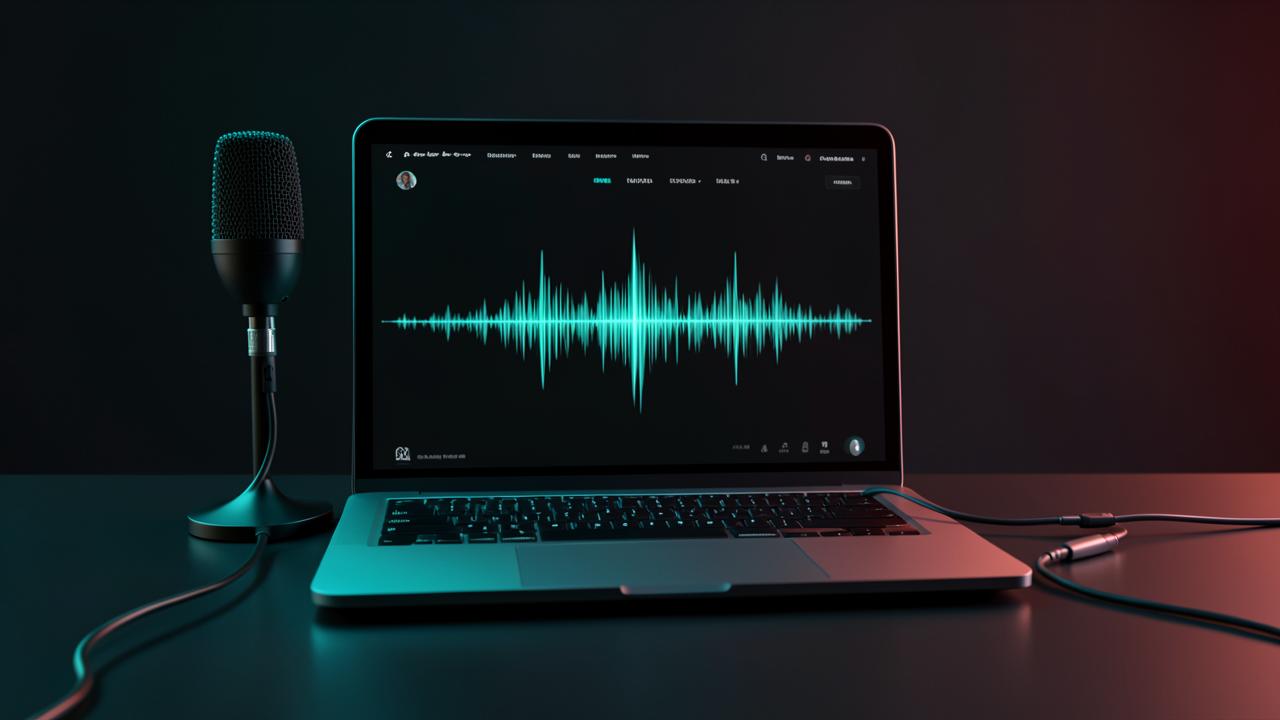
Before you start troubleshooting, run the actual test so you know what's broken.
Run the Mikrofon TestSchnelle Überprüfungen zuerst
- Suchen Sie nach einem physischen Stummschalter oder -knopf an Ihrem Headset oder Ihrer Webcam.
- Stellen Sie sicher, dass in Ihrer Anruf-App das richtige Mikrofon ausgewählt ist, und nicht das Webcam-Mikrofon, wenn Sie eigentlich ein Headset-Mikrofon verwenden wollten.
- Führen Sie unseren Mikrofon-Test um eine Live-Eingangsanzeige zu sehen; dies zeigt Ihnen sofort an, ob das Mikrofon überhaupt empfangen wird.
- Ziehen Sie ein USB- oder 3,5-mm-Mikrofon ab und stecken Sie es wieder ein, und überprüfen Sie dann, ob es wieder als Standardgerät ausgewählt ist.
- Starten Sie die verwendete App neu. Viele Konferenz-Apps cachen beim Start das falsche Gerät.
Browser- und App-Berechtigungen prüfen
Genau wie bei der Kamera beschränken die meisten Browser und Betriebssysteme den Mikrofonzugriff getrennt von der App selbst. Wenn die Berechtigung blockiert ist, zeigt die App oft „keine Audioeingabe erkannt“ ohne weitere Erklärung an.
In Ihrem Browser
- Klicken Sie auf das Schloss-Symbol in der Adressleiste.
- Bestätigen Sie, dass das Mikrofon für diese Seite auf „Zulassen“ eingestellt ist.
- Überprüfen Sie die Berechtigungs-Test für eine vollständige Anzeige der aktuell erteilten Berechtigungen.
Windows 11
- Open Settings > Privacy & security > Microphone.
- Schalten Sie „Mikrofonzugriff“ und „Apps den Zugriff auf Ihr Mikrofon gestatten“ ein.
- Scrollen Sie nach unten und überprüfen Sie, ob sowohl Ihr Browser als auch die Desktop-App (Zoom, Teams, Discord) zugelassen sind.
macOS
- Open System Settings > Privacy & Security > Microphone.
- Aktivieren Sie den Schalter für Ihren Browser oder Ihre App.
- Beenden Sie die App und öffnen Sie sie erneut, nachdem Sie dies geändert haben, macOS wird dies nicht sofort anwenden.
Chromebook
- Open Settings > Privacy and security > Site settings > Microphone.
- Entfernen Sie die Website aus jeder „Nicht zulässig“-Liste.
iPhone
- Öffnen Sie die Einstellungen, suchen Sie die App und prüfen Sie, ob der Mikrofonzugriff aktiviert ist.
- For Safari, go to Settings > Safari > Microphone and set to Ask or Allow.
Android
- Open Settings > Apps > [app name] > Permissions > Microphone, set to Allow.
- In Chrome, check Settings > Site settings > Microphone for a block entry on the site.
Stellen Sie sicher, dass das richtige Gerät ausgewählt und nicht stummgeschaltet ist
Windows
- Klicken Sie mit der rechten Maustaste auf das Lautsprechersymbol in der Taskleiste und wählen Sie Soundeinstellungen.
- Stellen Sie unter Eingabe sicher, dass das richtige Mikrofon als Standardgerät ausgewählt ist.
- Stellen Sie sicher, dass der Eingabelautstärkeregler nicht auf Null steht und dass „Stumm“ nicht angehakt ist.
- Klicken Sie auf „Mikrofon testen“, um den Live-Pegelbalken beim Sprechen zu sehen.
macOS
- Open System Settings > Sound > Input.
- Wählen Sie das richtige Mikrofon aus und beobachten Sie den Eingabepegelbalken, während Sie sprechen.
- Wenn es sich um ein Bluetooth-Headset handelt, prüfen Sie, ob es im Bluetooth-Menü nicht auf einem Anrufprofil mit niedriger Qualität feststeckt.
Beheben Sie niedrige Lautstärke, Verzerrungen oder ein roboterhaftes Geräusch
- Bewegen Sie das Mikrofon näher oder erhöhen Sie die Eingangsverstärkung in den Audioeinstellungen der App.
- Deaktivieren Sie vorübergehend die „Rauschunterdrückung“ oder „KI-Rauschunterdrückung“, da diese manchmal Sprache übermäßig verarbeitet und verzerrt.
- Wenn der Ton robotisch oder abgehackt klingt, liegt dies oft an der CPU-Auslastung oder einer schlechten Bluetooth-Verbindung. Versuchen Sie zum Vergleich eine Kabelverbindung.
- Turn off any extra "enhancements" in Windows Sound settings under the microphone's Properties > Advanced tab.
Wenn es ein Hardwarefehler ist
Wenn das Mikrofon in den Soundeinstellungen Ihres Systems überhaupt nicht erscheint oder ein anderes Gerät am selben Port ebenfalls nicht registriert wird, liegt der Verdacht auf einen Hardwarefehler nahe:
- Testen Sie das Mikrofon an einem anderen Computer. Wenn es immer noch nicht registriert wird, ist das Mikrofon wahrscheinlich defekt.
- Bei eingebauten Laptop-Mikrofonen kann Staub oder Schmutz im Mikrofonloch die Eingabe dämpfen oder blockieren; eine Dose Druckluft kann helfen.
- For headsets, check the cable near the jack for fraying, a common failure point that causes intermittent cutting out.
- Wenn ein kabelgebundenes Mikrofon an einem Port funktioniert, aber an einem anderen nicht, ist möglicherweise der Port selbst defekt und nicht das Mikrofon.
Why microphone problems are so hard to spot
Audio input passes through more stages than most people realise. Sound reaches the capsule, an analogue preamp boosts it, a converter turns it into data, the operating system applies a gain level and possibly noise suppression, then the app applies its own processing and mute state before anyone hears you. A silent microphone can be caused by any one of those stages, and none of them announces itself.
The reason a live input meter matters so much is that it splits the chain in half instantly. If the meter moves when you speak, the microphone, driver and permission layer are all healthy and the problem is downstream in the app. If the meter never moves, everything downstream is irrelevant and you can focus on device selection, permissions and hardware. That one observation saves most of the time people spend on audio problems.
The double mute problem
Almost every serious call has one participant talking to a muted microphone, and the reason is that mute exists in at least four independent places. There is a hardware switch on many headsets, an inline remote on the cable, an operating system mute, and an in-app mute. Muting in one place does not update the others, so unmuting in the app while the headset switch is still down produces exactly the silence you were trying to fix.
- Check the physical switch or button first, and look for an LED that changes colour when muted.
- Check the inline remote on the cable, these are easy to knock against clothing without noticing.
- Check the operating system input level is above zero and the mute checkbox is clear.
- Check the in-app mute, and be aware some meeting platforms let a host mute you remotely.
- Check for a push-to-talk setting that you may have enabled and forgotten in Discord or a game.
Getting the sound quality right, not just working
A microphone that technically works can still sound thin, distant or harsh. Once input is confirmed, spend five minutes on quality, it makes a bigger difference to how people perceive you on calls than any camera upgrade.
- Distance matters more than price. A cheap microphone fifteen centimetres away usually beats an expensive one at arm's length.
- Speak across the microphone rather than directly into it to reduce plosive pops on hard consonants.
- Set input gain so normal speech peaks around two thirds of the meter, leaving headroom for laughter and emphasis.
- Soft furnishings kill reflections. A rug, curtains or even a bookshelf behind you reduces the hollow room sound noticeably.
- Prefer a wired connection for anything important. Bluetooth microphones drop to a low bandwidth call profile that sounds compressed and dull.
If your voice sounds like it is underwater or robotic, suspect processing rather than hardware. Aggressive noise suppression, whether from the operating system, the driver utility or the meeting app, can strip the natural texture out of speech. Turn all of it off, listen to a recording, then re-enable one layer at a time until you find the culprit.
Testing yourself before an important call
Never rely on someone else to tell you your audio is broken. Record thirty seconds of yourself speaking normally, play it back through headphones and listen critically for background hum, keyboard noise, echo and level. Most meeting platforms include a built-in test call, and our browser microphone test gives you a live meter without installing anything.
- Listen for a constant hum, which usually means electrical interference from a power supply or USB port, try a different port.
- Listen for echo, which means your speakers are feeding back into the microphone, headphones eliminate it entirely.
- Listen for clipping, a harsh crunch on louder words, which means gain is set too high.
- Listen for dropouts, which on wireless devices usually mean interference or a low battery.
Build the habit of a ten second check before every meeting. It costs almost nothing and removes the most common reason calls start five minutes late.
Common questions about microphone problems
Why can I hear myself echoing on calls?
Echo means audio from your speakers is being picked up by your microphone and sent back. Headphones eliminate it completely. If you must use speakers, lower the output volume, move the microphone away from them, and leave the meeting app's echo cancellation enabled rather than switching it off.
Why does my USB microphone keep disconnecting?
Usually power or the port. Unpowered hubs, front-panel ports and long extension cables all cause intermittent dropouts. Plug directly into a rear port on a desktop, or a different port on a laptop, and check any power saving setting that allows the system to suspend USB devices to save energy.
Is a headset microphone good enough?
For calls, yes, and consistent placement close to the mouth often makes a good headset outperform a better microphone sitting further away on a desk. Standalone microphones become worthwhile for recording, podcasting or streaming, where room sound and tonal character matter more than convenience.
Why does my microphone work in one app only?
Each application stores its own device selection and its own permission grant. Working in one app and failing in another proves the hardware and driver are fine, so check the failing app's audio settings, its permission entry in the operating system privacy settings, and whether another program is holding exclusive access to the device.
A pre-call checklist you can run in a minute
Most audio disasters are preventable with a short routine performed before the meeting starts rather than during it. Run through this once and you will catch nearly every common failure while there is still time to fix it.
- Connect the headset or microphone before opening the meeting app, so the app sees it at launch.
- Confirm the correct input device is selected in both the operating system and the app.
- Speak and watch a live level meter move, never assume from the device name alone.
- Check every mute point, the hardware switch, the inline remote, the system mute and the app mute.
- Wear headphones so nothing feeds back into the microphone and creates echo for everyone else.
- Silence notifications, they are captured by the microphone as sharply as your voice.
If something is wrong, having a wired backup within reach turns a lost meeting into a ten second swap. Keeping one spare set of wired earphones in the desk drawer is the cheapest insurance in remote work.